The History of the Calendar: Why We Celebrate New Year on January 1st
Exploring the historical origins of New Year celebrations and why January 1st became the globally accepted date.
 🎭Culture & Sport
Photo: TSN
Key points
- Julius Caesar established January 1st as the start of the year
- The Gregorian calendar became the basis for global timekeeping
- Different nations have unique New Year customs
From Ancient Traditions to Modernity
The tradition of marking the beginning of a new calendar cycle on January 1st is not accidental; it is the result of centuries of reform and changes in how humanity perceives time. While ancient civilizations often linked the start of the year to natural phenomena, such as the flooding of the Nile or the spring equinox, the modern standard was established through Roman and European calendar reforms.
The Role of Julius Caesar and Gregory XIII
A decisive step was taken by Julius Caesar in 46 BC with the introduction of the Julian calendar. It was then that the start of the year officially fell on January—a month dedicated to the two-faced god Janus, who symbolically looks both into the past and the future. Later, in 1582, Pope Gregory XIII refined the system by introducing the Gregorian calendar, which serves as the basis for civil timekeeping in most countries today.
Despite global unification, many cultures have preserved unique customs. For example, Spaniards eat 12 grapes as the clock strikes midnight, Italians cook lentils for financial prosperity, and the Japanese visit temples where bells ring 108 times. These traditions highlight the diversity of human experience even within the scope of a single holiday.
Source TSN — tsn.ua/tsikavinki/koly-sviatkuiut-novyy-rik-chomu-data-prypadaye-na-1-s… ↗
Read next
 👥Society
The Psychology of Queuing: Why We Let Others Go First
Psychologists explain that the habit of letting shoppers with one item go ahead is a sign of empathy and situational awareness.
 🇺🇦Ukraine
Tajikistan officially withdraws from the International Criminal Court during Putin's visit
Tajikistan has officially terminated its participation in the Rome Statute on the same day as Russian leader Vladimir Putin's visit.
 🛡️Security
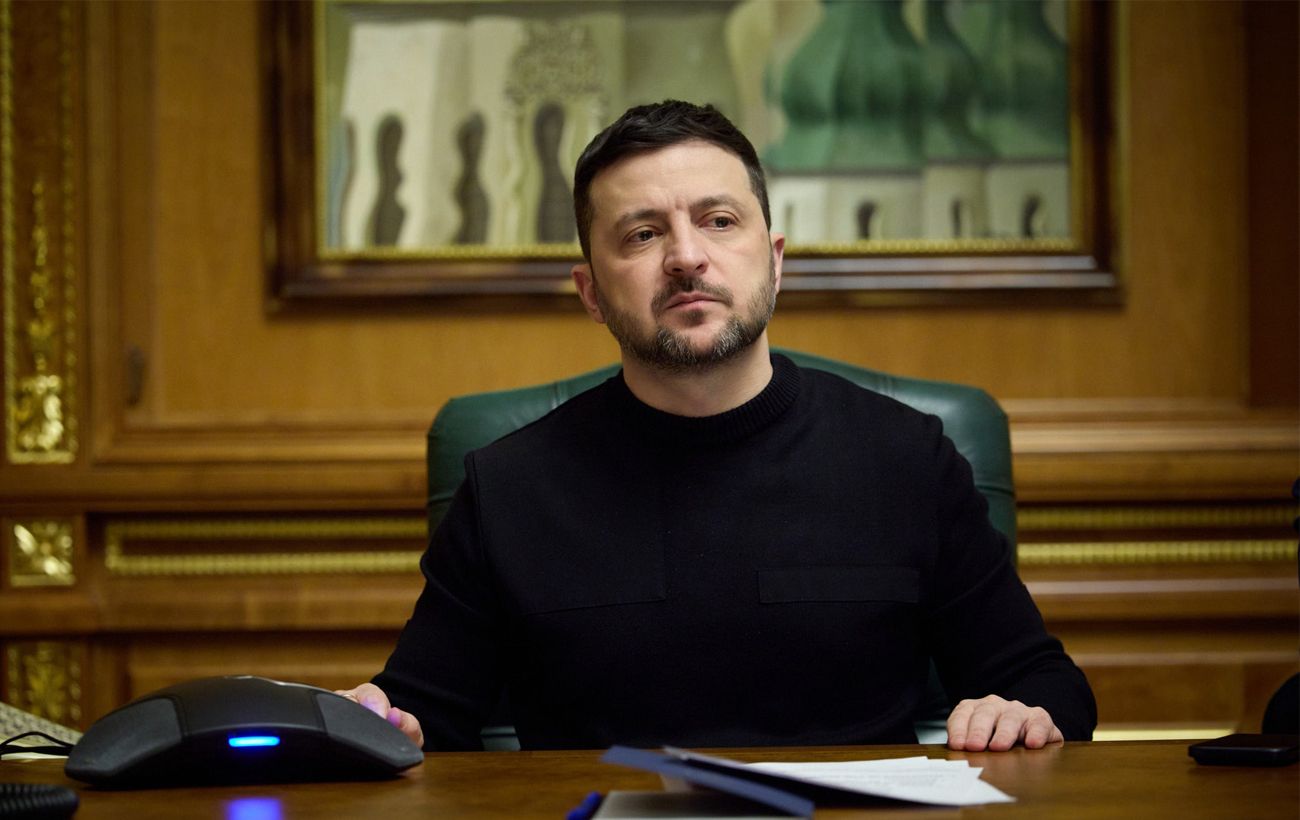
Ukraine ramps up production of interceptors to counter jet-powered drones
President Volodymyr Zelenskyy announced an increase in domestic interceptors designed to neutralize new types of enemy unmanned aerial vehicles.
 🛡️Security
President warns of new Russian strike preparations and sky defense plans
Volodymyr Zelenskyy has urged Ukrainians to remain vigilant following intelligence reports regarding potential upcoming enemy attacks.
 🎓Education
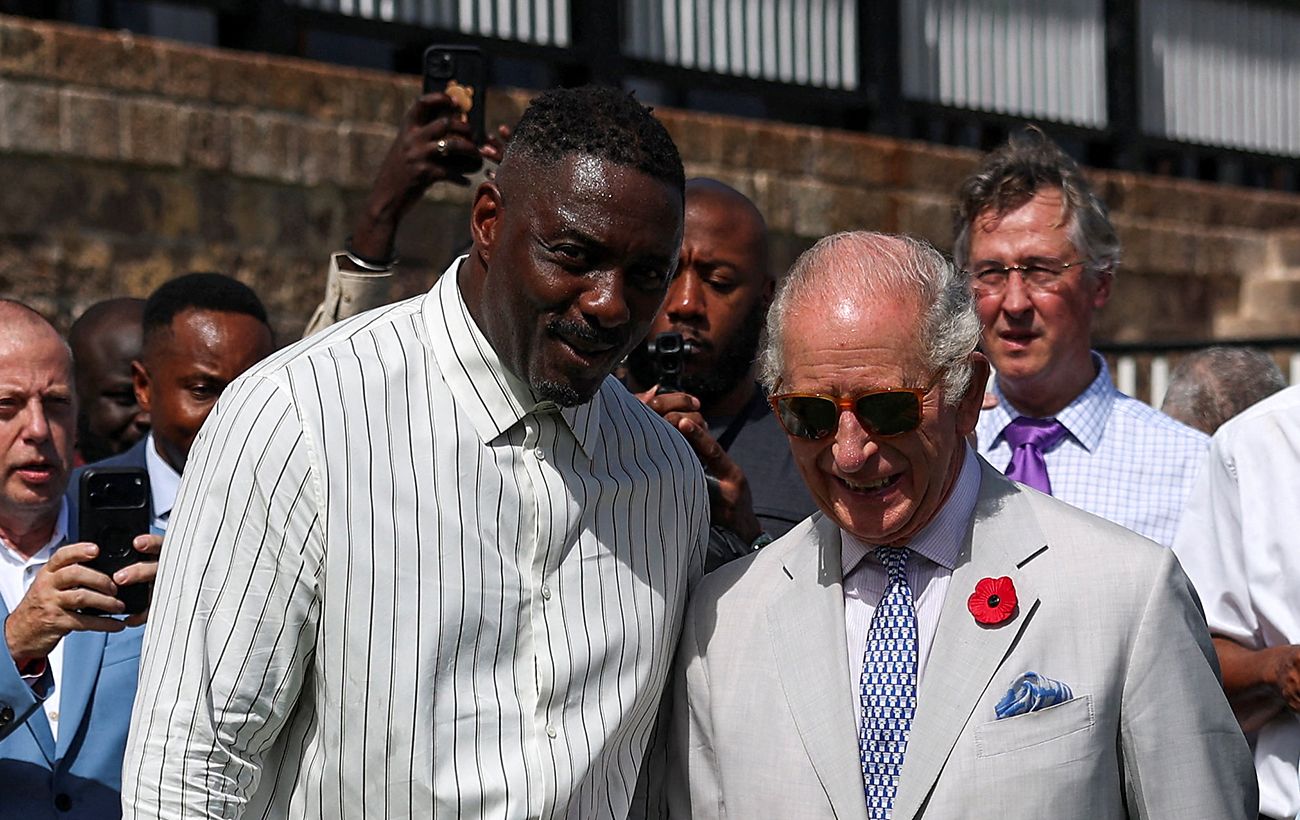
King Charles III and Idris Elba Star in New Documentary About Youth Support
The British monarch and the acclaimed actor have teamed up for a Netflix documentary highlighting the impact of The King's Trust.
 🩺Health
Health Ministry expects sufficient flu vaccine supplies: what Bolhrad residents should know
The Ministry of Health assures that despite supply delays, Ukraine is well-stocked with flu vaccines. The drugs are currently passing quality control and entering pharmac…