EU Responds to Moscow Invitation: Emphasis on Multilateral Negotiations
The European Commission acknowledges Putin's invitation but maintains that any discussions on European security must involve all allies and follow a ceasefire.
 🏛️Politics
Photo: Ukrainska Pravda
Key points
- The EU prioritizes multilateral formats over direct bilateral visits to Moscow.
- A ceasefire is a non-negotiable prerequisite for European security discussions.
- Ongoing coordination with Trump's transition team aims to align Western positions.
The European Commission has officially acknowledged the invitation extended by the Russian leadership for EU representatives to visit Moscow. Despite this outreach, Brussels remains focused on conducting negotiations within a multilateral framework. Chief spokesperson Paula Pinho stated that the EU is prepared to engage in talks, but only in a format that ensures collective representation.
Conditions for Security Architecture Talks
Brussels has clearly defined the prerequisites for discussing a new European security architecture. According to Pinho, such discussions can only take place once a ceasefire is in effect. Furthermore, these talks must involve the full participation of all EU member states and NATO allies. This stance signals the EU's refusal to engage in bilateral deals with Russia that might bypass established collective security structures.
The specific form of the invitation—whether it was a formal letter to Commission President Ursula von der Leyen or a diplomatic note—remains undisclosed. The spokesperson noted that no further technical details are available, but emphasized that the EU's position has not shifted since last week.
Coordination with the US and Ally Reactions
The EU is maintaining regular contact with representatives of President-elect Donald Trump’s team, including Jared Kushner and Howard Witkoff. These consultations aim to coordinate actions ahead of potential multilateral negotiations. While Kushner suggested that Moscow might consider security guarantees for Ukraine modeled after NATO's Article 5, President Volodymyr Zelensky has expressed uncertainty about whether Kyiv and Washington share the same vision of such guarantees.
The internal dynamics within the EU also show varying degrees of openness, with France reportedly interested in continuing dialogue with Moscow. However, the official line from Brussels remains firm: any future security framework must be inclusive and contingent upon the cessation of hostilities.
Source Ukrainska Pravda — pravda.com.ua/news/2026/11/23/8064218/ ↗
Read next
 🇺🇦Ukraine
NATO Secretary General Mark Rutte rejects Russia's demands to return to 1997 borders
NATO Secretary General Mark Rutte has dismissed Russian proposals to reshape European security as unacceptable. The Alliance remains committed to its current posture.
 🛡️Security
DTEK sets yearly record for restoring power to 3.5 million families after attacks
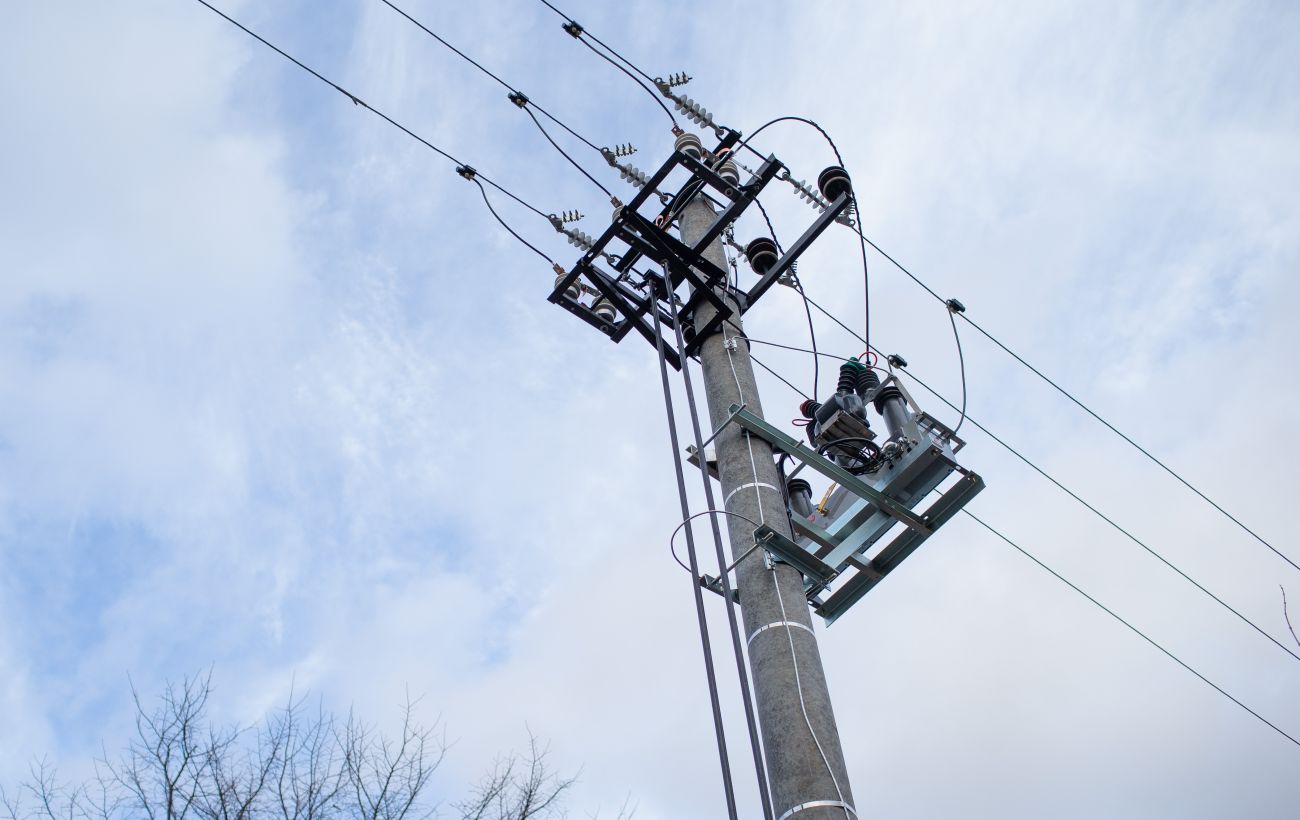
Between November 16 and 22, DTEK energy workers restored electricity for 3.5 million households across four regions and Kyiv, with Odesa region seeing the heaviest worklo…
 🎓Education
Career Educational Advisors to Be Introduced in Schools Across Ukraine
The Ministry of Education and Science has launched a nationwide initiative to train career educational advisors for all secondary schools.
 🧠AI Analysis
New Challenges on Global Maritime Routes: Incidents in Libya and the Baltic
A powerful explosion on a Russian vessel in the Libyan port of Benghazi and a fire on a cargo ship in the Gulf of Finland highlight the vulnerability of Russian military …
 🧠AI Analysis
Over 500 Civilians Killed in Russian Strikes in October, NATO PA Says
Throughout October, Russian attacks claimed the lives of 534 civilians, including 16 children, while causing widespread destruction to civilian infrastructure across Ukra…
 🛡️Security
Zelenskyy announces updated enemy strike plans and severe energy situation
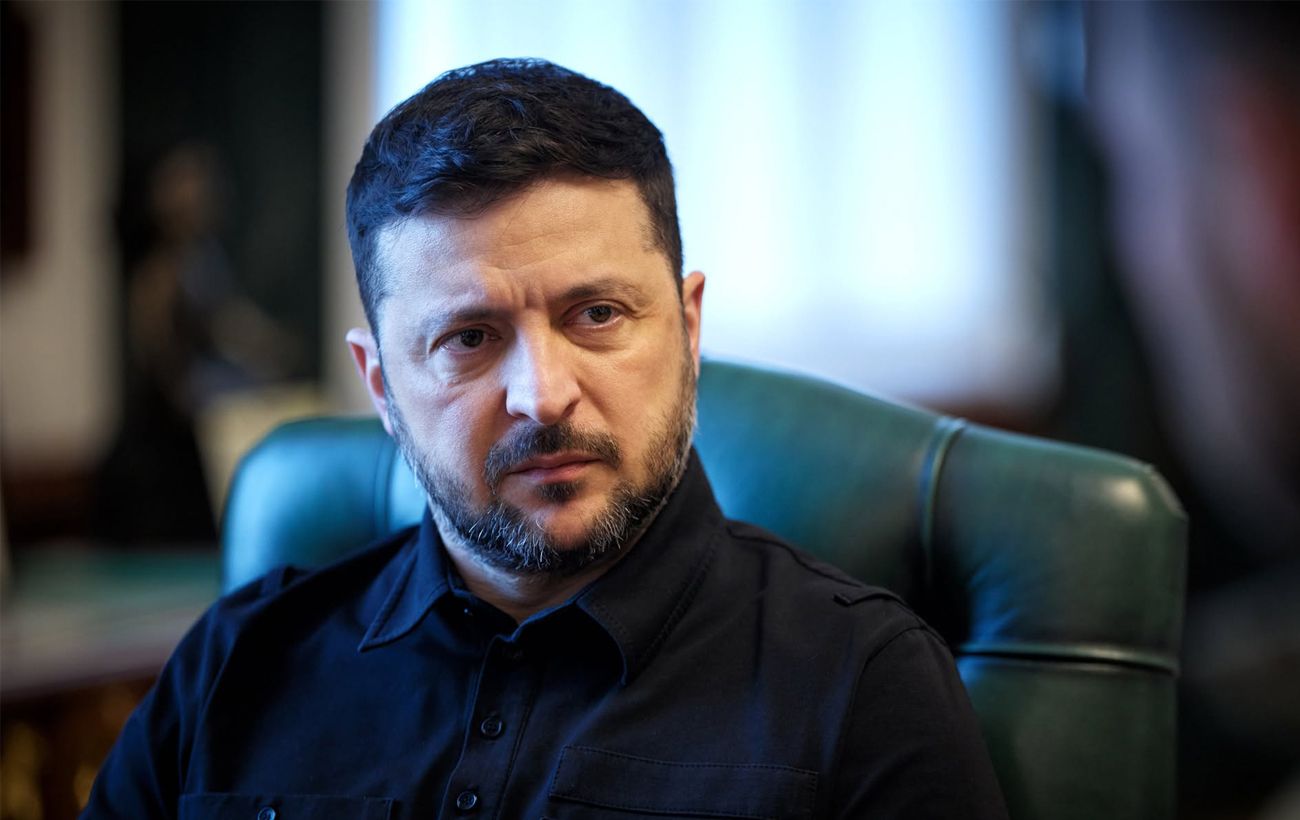
President Volodymyr Zelenskyy reported on an intelligence briefing regarding new enemy attack plans. The most critical energy supply situation is recorded in the Odesa re…