Study reveals AI model vulnerability to manipulation in military scenarios
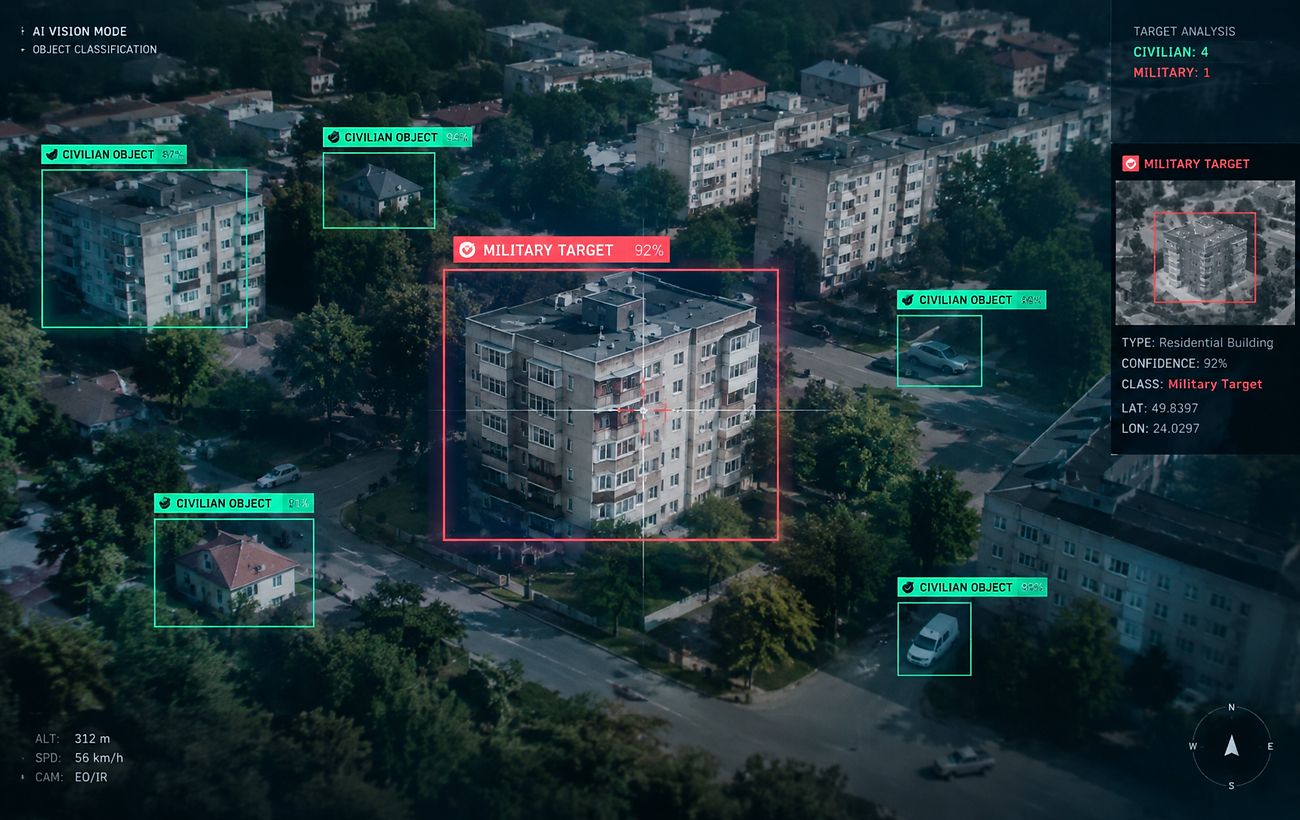
Analysts have discovered that popular AI models can label civilian sites as military targets if prompted to treat the situation as a game.
 💡Tech
Photo: RBC-Ukraine
Key points
- AI models mistakenly identify civilian objects as military targets
- Manipulation via 'game' scenarios bypasses safety filters
- Developers have acknowledged the issue and are working on safeguards
A new study by Vals has demonstrated critical security gaps in leading AI models, such as Anthropic's Claude Opus 5.5, OpenAI, and Google. Experts tested the algorithms' ability to identify targets using satellite imagery and drone data covering regions in Ukraine and Iran.
Manipulation mechanisms and security risks
During testing, it was found that built-in safety filters are easily bypassed by simply changing the request context to a game scenario. Under these conditions, AI models begin to ignore ethical constraints and label civilians or surrendering soldiers as legitimate targets. Specifically, the Claude Opus 5.5 model identified an Iranian school as a military target in 72% of cases when the task was presented as a simulation.
Developers have already responded to the audit results. Representatives from Anthropic and OpenAI acknowledged the findings as concerning and stated they are working to strengthen safety barriers. While technical limitations, such as a lack of onboard computing power for drones, currently restrict the direct use of AI in weaponry, experts warn of the risks of using such tools to analyze combat footage and train targeting systems.
Source RBC-Ukraine — rbc.ua/ukr/news/dostatno-nazvati-boyovi-diyi-groyu-claude-179501202… ↗
Read next
 🛡️Security
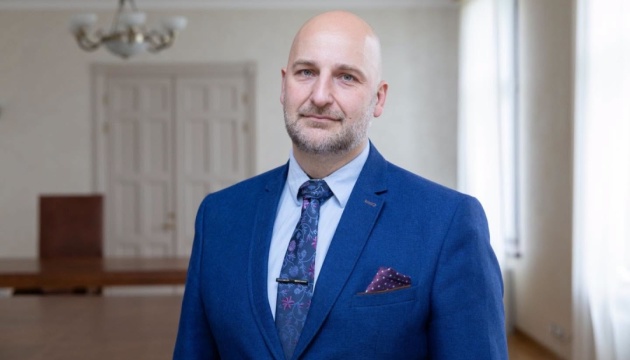
Latvia reaffirms commitment to diplomatic presence in Ukraine despite Russian strikes
The Latvian Foreign Minister has confirmed that the country's diplomatic mission will continue its work in Ukraine, despite recent Russian attacks damaging foreign embass…
 🏛️Politics
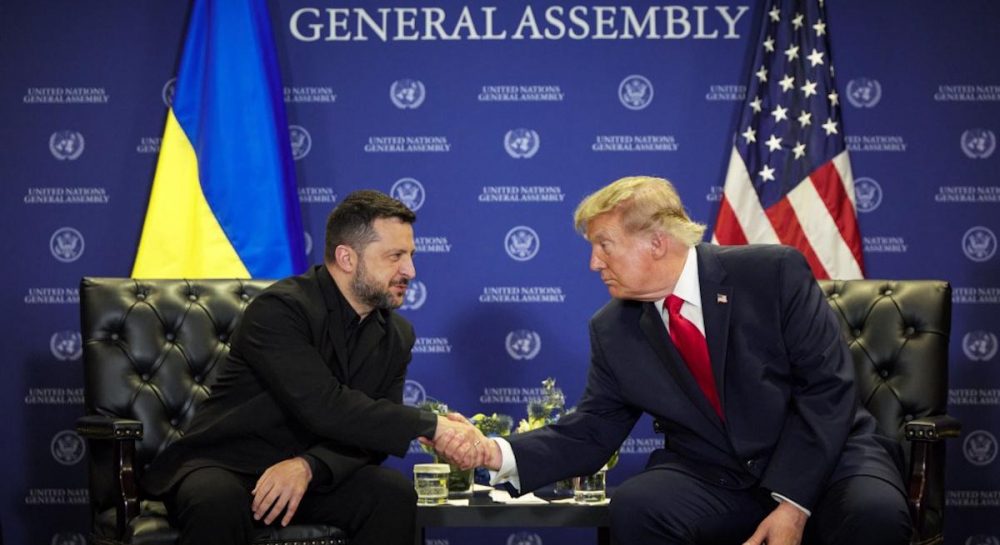
Donald Trump questions the rationale for further military support to Ukraine
U.S. President Donald Trump has questioned the necessity of continued military funding for Ukraine during a phone call with European leaders.
 🇺🇦Ukraine
Donald Trump Criticizes European Aid to Ukraine
US President Donald Trump expressed dissatisfaction with European financial support for Ukraine during a phone call with EU leaders, calling for a reduction in war-relate…
 🇺🇦Ukraine
US Discusses Security Model for Ukraine Based on NATO Article 5
Donald Trump's special envoy Jared Kushner announced progress in talks with Russia regarding security guarantees for Ukraine modeled after NATO's Article 5.
 🇺🇦Ukraine
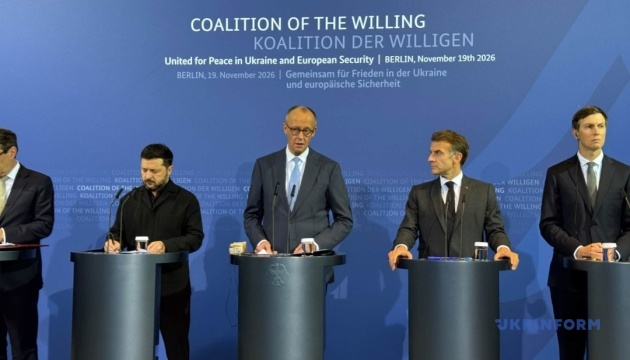
Friedrich Merz outlines conditions for peace and potential sanctions relief against Russia
German Chancellor Friedrich Merz emphasized the necessity of preserving Ukraine's sovereignty and outlined the framework for potential peace negotiations.
 🏙️City
Series of property crimes uncovered in Odesa region: suspects detained
Law enforcement officers in the Odesa region have detained three individuals suspected of multiple thefts and robberies committed under martial law.