Drones Strike Major Chemical Plant in Russia’s Smolensk Region
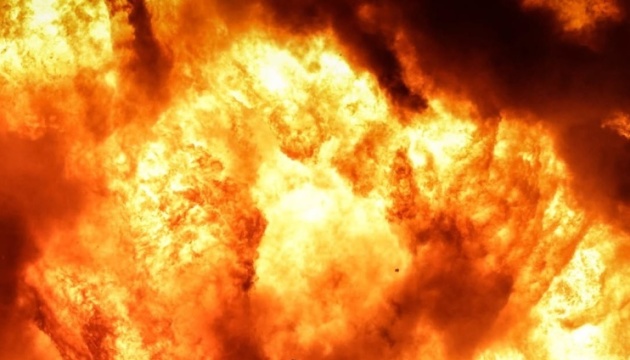
A drone attack targeted the PJSC Dorogobuzh plant, a critical producer of explosive components and fertilizers in the Smolensk region.
 💡Tech
Photo: Ukrinform
Key points
- UAV attack on PJSC Dorogobuzh in the Smolensk region.
- The plant produces 11% of Russia's ammonium nitrate.
- Facility products are used for both fertilizers and explosives.
Overnight, the industrial site of PJSC Dorogobuzh in Russia’s Smolensk region was targeted by unmanned aerial vehicles. The facility is recognized as the largest industrial enterprise in the region and is part of the Acron Group, owned by billionaire Vyacheslav Kantor. According to monitoring channels, explosions were heard following an air raid alert around midnight, a fact supported by several videos circulating online.
Strategic Importance and Dual-Use Production
PJSC Dorogobuzh is a leading producer of mineral fertilizers. Company data indicates the plant accounts for approximately 11% of Russia’s total ammonium nitrate production. However, analysts point to the facility's critical role in the defense sector: the ammonia, nitric acid, and nitroammophoska produced here have dual-use applications. These chemicals serve as essential precursors for the manufacturing of industrial explosives used in military operations.
This incident follows previous strikes on the same facility within the past year. Earlier attacks were recorded in December 2025 and on February 25 of this year, the latter resulting in seven fatalities. While Russian officials and plant management have yet to comment on the extent of the damage from the latest raid, OSINT analysts have confirmed hits within the industrial zone.
Technological Context
The strike on PJSC Dorogobuzh occurs amid a broader campaign of drone warfare. Official reports state that since the beginning of 2026, over a thousand enemy vessels have been disabled or destroyed using UAVs. This latest operation against a chemical giant deep within the rear demonstrates the increasing range and precision of drone technology aimed at neutralizing the aggressor's industrial capacity.
The disruption of such facilities weakens the economic foundation of the war effort and reduces the production of military-grade explosives.
For agricultural regions, the destabilization of major fertilizer producers impacts market dynamics. While direct trade is non-existent due to sanctions, the loss of such production capacity undermines the enemy's ability to sustain high-intensity combat operations, ultimately contributing to regional stability.
Source Ukrinform — ukrinform.net/rubric-ato/4186683-drones-attack-chemical-plant-produ… ↗
Read next
 🛡️Security
Consequences of the strike on Dymer: death toll rises, rescue operations continue
In the town of Dymer, Kyiv region, rescue teams continue clearing rubble following a Russian attack. The death toll has risen to nine, while a 79-year-old woman was succe…
 🛡️Security
Energy workers restore power in Rivne region following enemy attack
Specialists have completed repairs in the Sarny district, where more than 50 settlements were left without power following a Russian attack on November 20.
 🎭Culture & Sport
Autumn Rose Care: Tips for Bolhrad Gardeners
Experts explain when to prune roses to ensure successful wintering and abundant flowering in the next season.
 🛡️Security
Estonia supports Ukraine's right to self-defense following incident in the Gulf of Finland
Estonian Foreign Minister Margus Tsahkna stated that the strike on a Russian vessel is a consequence of Russian aggression, affirming Ukraine's right to defend itself.
 🛡️Security
Rescue operation in Dymer: 89-year-old woman pulled from rubble
Search and rescue operations are ongoing in the town of Dymer, Kyiv region, following a drone strike on a residential building.
 🛡️Security
Russian corvette 'Mercury' in Libya may have been hit by Ukrainian drones
According to Associated Press, a Russian warship exploded in the port of Benghazi, allegedly due to a maritime drone strike.