Ecological anomaly in the Atlantic: rapid expansion of the sargassum belt
Scientists report a record-breaking increase in brown seaweed biomass in the Atlantic Ocean, posing a threat to marine ecosystems.
 🎭Culture & Sport
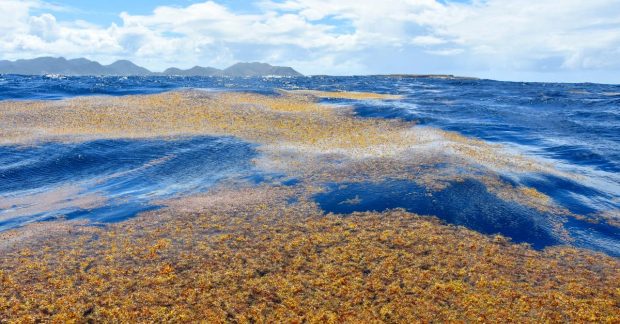
Photo: UNIAN
Key points
- The seaweed belt length has reached a record 8,850 km.
- Nitrogen and phosphorus from agricultural runoff are the primary growth drivers.
- The decay process releases toxic hydrogen sulfide and methane.
- Scientists are calling for international coordination to monitor the situation.
A worrying trend is unfolding in the Atlantic Ocean: the spread of pelagic sargassum has reached unprecedented levels. In 2025, the length of this seaweed belt, known as GASB, reached 8,850 kilometers. This phenomenon, which has been intensifying since 2011, is turning what were once localized ecological features into a global issue.
Causes and consequences of the anomalous bloom
Researchers note that the rapid growth of the seaweed is driven by an excess of nutrients, specifically nitrogen and phosphorus. These enter the ocean through agricultural runoff, sewage discharge, and natural processes linked to the flooding of major rivers like the Amazon. Under favorable conditions, sargassum biomass can double in just 11 days.
While sargassum is an important habitat for marine life in small quantities, its overabundance has become a disaster. When washed ashore, the seaweed decays, releasing toxic hydrogen sulfide and greenhouse gases. This not only damages the tourism industry but also creates "dead zones" that destroy coral reefs and local fauna.
Source UNIAN — unian.ua/ecology/sargasovi-vodorosti-v-atlantici-chomu-gigantskiy-p… ↗
Read next
 💼Economy
Ukraine's agricultural sector at risk: experts predict a wave of bankruptcies
Ukrainian agricultural producers are facing a critical financial situation due to export blockades and rising production costs.
 🏛️Politics
EU Responds to Moscow Invitation: Emphasis on Multilateral Negotiations
The European Commission acknowledges Putin's invitation but maintains that any discussions on European security must involve all allies and follow a ceasefire.
 🏛️Politics
Editors Instead of Verdicts: SAP Prosecutor Praises NABU Media Team Amid Criticism of Evidence
SAP prosecutor Rostyslav Batig responded to criticism regarding weak evidence in NABU cases by highlighting the professionalism of the bureau's video editing team.
 🇺🇦Ukraine
NATO Secretary General Mark Rutte rejects Russia's demands to return to 1997 borders
NATO Secretary General Mark Rutte has dismissed Russian proposals to reshape European security as unacceptable. The Alliance remains committed to its current posture.
 🛡️Security
Key Lessons of the War: Oleksandr Syrskyi Outlines Three Crucial Takeaways for Global Security
Former UAF Commander-in-Chief Oleksandr Syrskyi addressed the Halifax International Security Forum, highlighting the primary lessons of the Russia-Ukraine war.
 🛡️Security
DTEK sets yearly record for restoring power to 3.5 million families after attacks
Between November 16 and 22, DTEK energy workers restored electricity for 3.5 million households across four regions and Kyiv, with Odesa region seeing the heaviest worklo…