The Economist: Russia, China, Iran, and North Korea form a dangerous 'axis of cooperation'
Authoritarian regimes are coordinating their actions in technology, military intelligence, and sanctions evasion, creating significant challenges for global security.
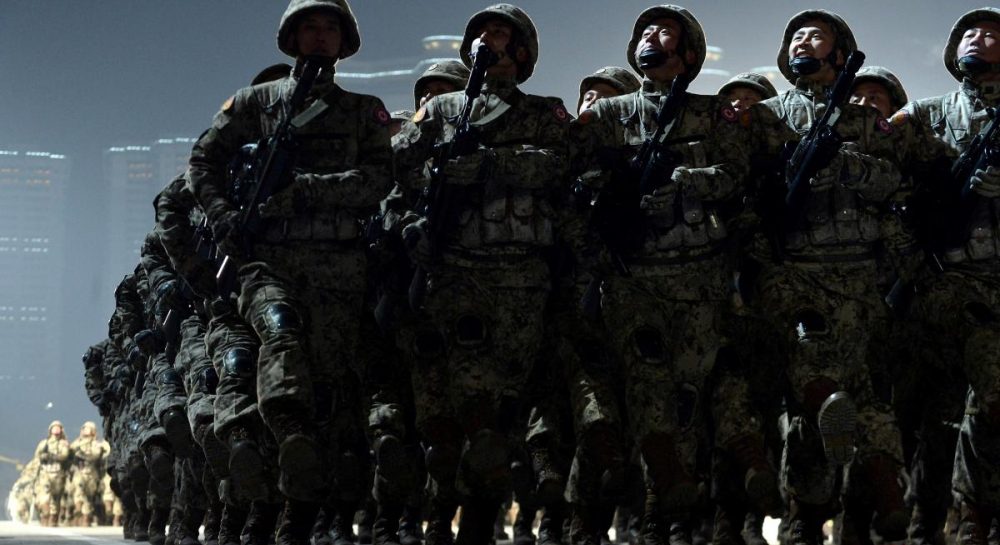 🏛️Politics
Photo: UNIAN
Key points
- Growing coordination between Russia, China, Iran, and North Korea
- Over 600 security cooperation incidents recorded since 2019
- The alliance creates new challenges for Western containment strategies
The Economist reports that Russia, China, Iran, and North Korea are moving beyond rhetoric toward practical coordination. This growing cooperation involves the exchange of military technology, intelligence, and resources, as well as collaborative efforts to bypass international sanctions, effectively creating an informal but dangerous alliance.
A shift in the global balance of power
Data from the FDD think tank reveals over 600 instances of security cooperation between these nations from 2019 to 2025. While this grouping lacks a unified command structure or a mutual defense treaty like NATO, its collaborative nature significantly complicates the West's ability to contain these regimes individually, making them collectively more potent.
Internal tensions and global implications
Despite their shared goals, the alliance is not without internal friction. For instance, China's desire for stability in the Middle East to secure cheap energy contrasts with Russia's interest in regional instability to drive up oil prices. However, experts warn that even without a formal military pact, the mutual support provided by these regimes poses an increasing threat to global stability, to which the West has yet to find a cohesive response.
Source UNIAN — unian.ua/world/rosiya-knr-iran-ta-pivnichna-koreya-stvorili-neforma… ↗
Read next
 👥Society
The Psychology of Queuing: Why We Let Others Go First
Psychologists explain that the habit of letting shoppers with one item go ahead is a sign of empathy and situational awareness.
 🇺🇦Ukraine
Tajikistan officially withdraws from the International Criminal Court during Putin's visit
Tajikistan has officially terminated its participation in the Rome Statute on the same day as Russian leader Vladimir Putin's visit.
 🛡️Security
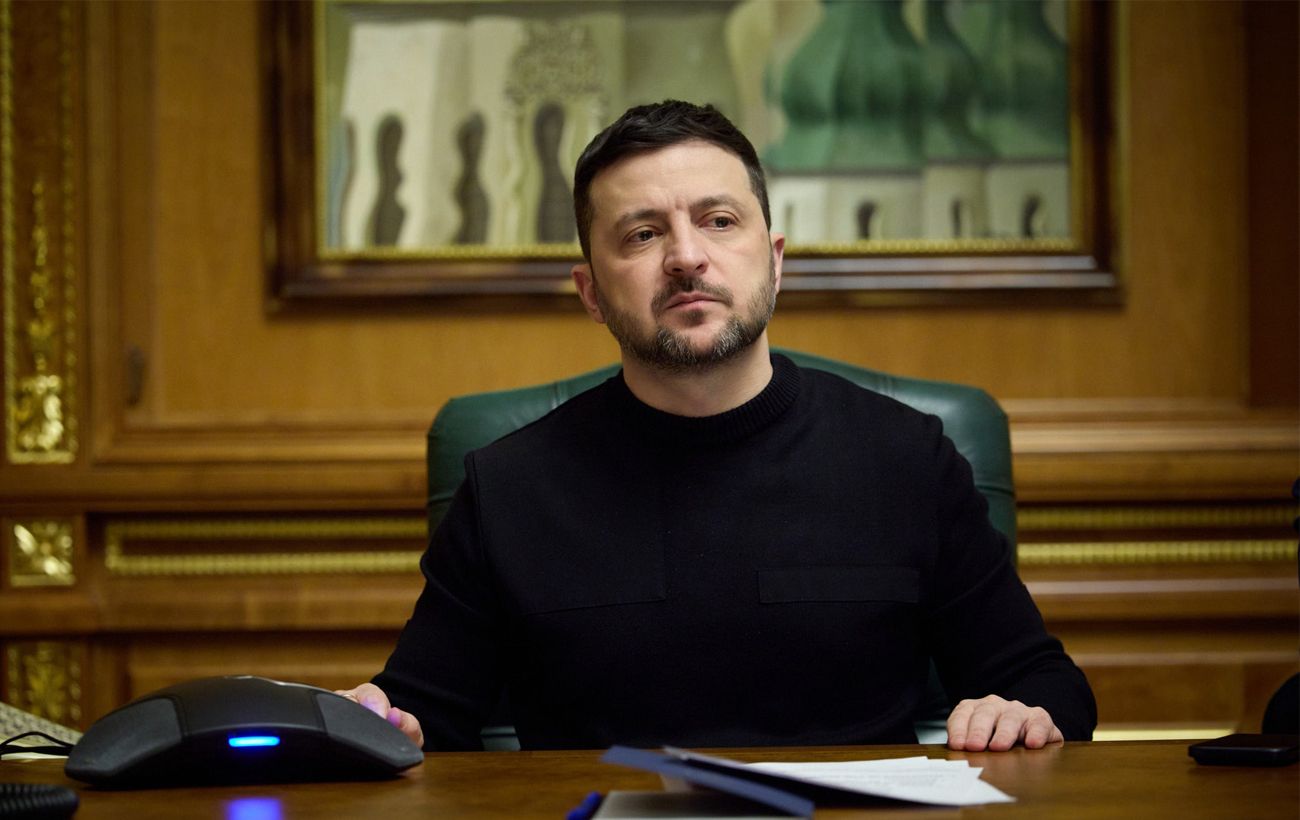
Ukraine ramps up production of interceptors to counter jet-powered drones
President Volodymyr Zelenskyy announced an increase in domestic interceptors designed to neutralize new types of enemy unmanned aerial vehicles.
 🛡️Security
President warns of new Russian strike preparations and sky defense plans
Volodymyr Zelenskyy has urged Ukrainians to remain vigilant following intelligence reports regarding potential upcoming enemy attacks.
 🎓Education
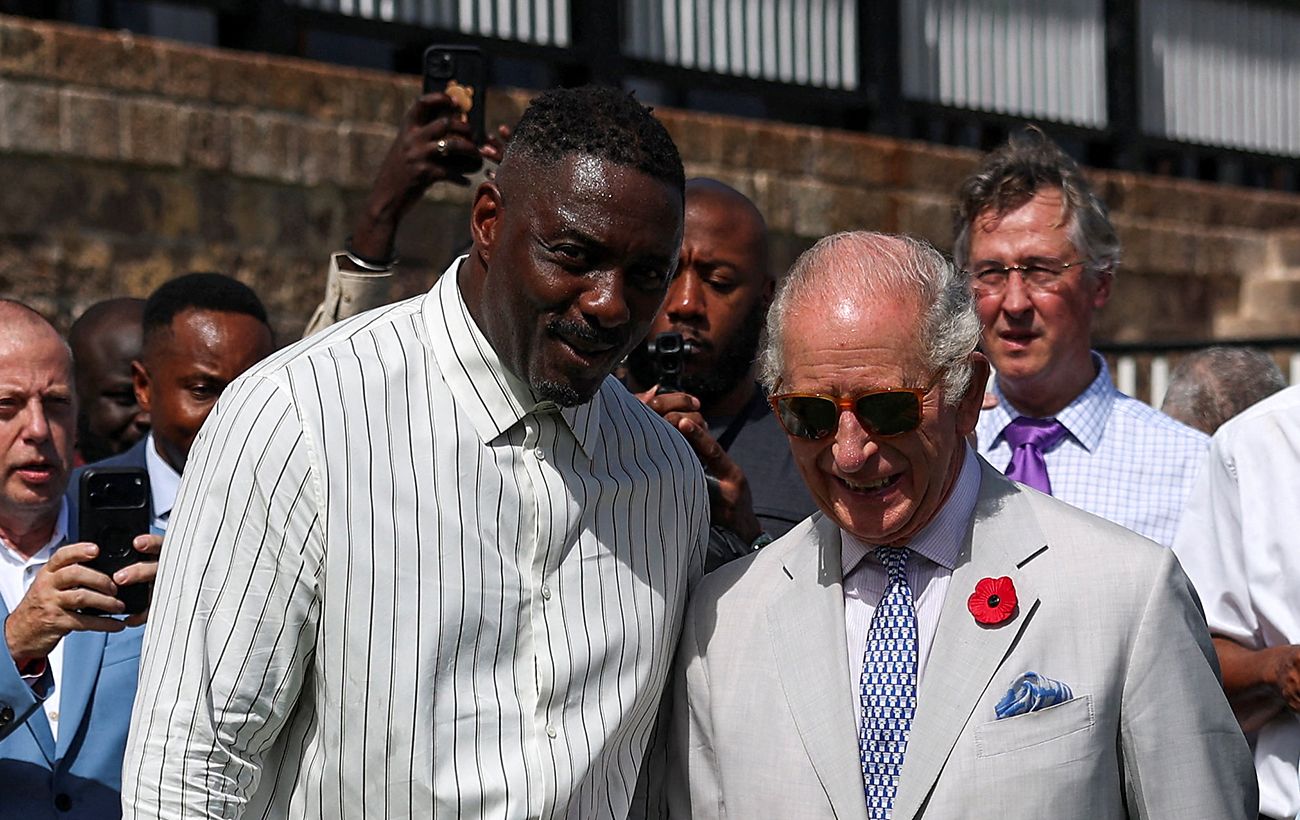
King Charles III and Idris Elba Star in New Documentary About Youth Support
The British monarch and the acclaimed actor have teamed up for a Netflix documentary highlighting the impact of The King's Trust.
 🩺Health
Health Ministry expects sufficient flu vaccine supplies: what Bolhrad residents should know
The Ministry of Health assures that despite supply delays, Ukraine is well-stocked with flu vaccines. The drugs are currently passing quality control and entering pharmac…