Slovak Minister Makes Controversial Claims Regarding 1968 Events in Czechoslovakia
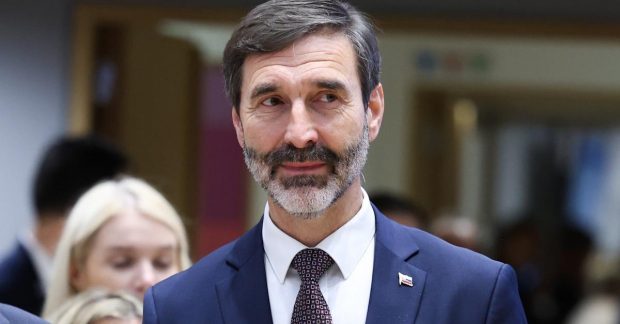
Slovakia's Foreign Minister Juraj Blanár claimed that Ukrainians were allegedly behind the 1968 invasion of Czechoslovakia, sparking public backlash.
 👥Society
Photo: UNIAN
Key points
- Slovak Foreign Minister Blanár blames Ukrainians for 1968 events
- Opposition strongly criticizes the historical interpretation
- Historians debunk the myth of ethnic Soviet military units
During a political talk show on Slovak television, Slovakia's Minister of Foreign Affairs Juraj Blanár suggested that responsibility for crushing the Prague Spring in 1968 supposedly lies with Ukrainians. The official pointed to the geographical deployment of the first incoming regiment and the birthplace of Soviet leader Leonid Brezhnev.
Opposition Backlash and Historical Facts
Such interpretations immediately drew sharp criticism from opposition leaders. Opposition figure Michal Šimečka strongly rebuked the statement, reminding viewers that the Soviet Union was a totalitarian regime and key military decisions were made centrally by the Politburo in Moscow.
Historical evidence thoroughly disproves the notion of an "Ukrainian" operation. Leonid Brezhnev was ethnically Russian, and the Soviet military did not maintain ethnically segregated units; troops were drafted from all across the USSR.
For residents of Bolhrad who value factual accuracy and historical context, such European political rhetoric highlights the ongoing challenge of misinformation. Discerning historical reality from political narratives remains crucial in understanding international relations today.
Ultimately, this situation demonstrates how historical events can be reinterpreted for political purposes in contemporary Europe, reinforcing the need for media literacy among local communities.
Source UNIAN — unian.ua/world/za-pridushennyam-prazkoji-vesni-v-1968-roci-stoyali-… ↗
Read next
 💼Economy
Ukraine's agricultural sector at risk: experts predict a wave of bankruptcies
Ukrainian agricultural producers are facing a critical financial situation due to export blockades and rising production costs.
 🏛️Politics
EU Responds to Moscow Invitation: Emphasis on Multilateral Negotiations
The European Commission acknowledges Putin's invitation but maintains that any discussions on European security must involve all allies and follow a ceasefire.
 🏛️Politics
Editors Instead of Verdicts: SAP Prosecutor Praises NABU Media Team Amid Criticism of Evidence
SAP prosecutor Rostyslav Batig responded to criticism regarding weak evidence in NABU cases by highlighting the professionalism of the bureau's video editing team.
 🇺🇦Ukraine
NATO Secretary General Mark Rutte rejects Russia's demands to return to 1997 borders
NATO Secretary General Mark Rutte has dismissed Russian proposals to reshape European security as unacceptable. The Alliance remains committed to its current posture.
 🛡️Security
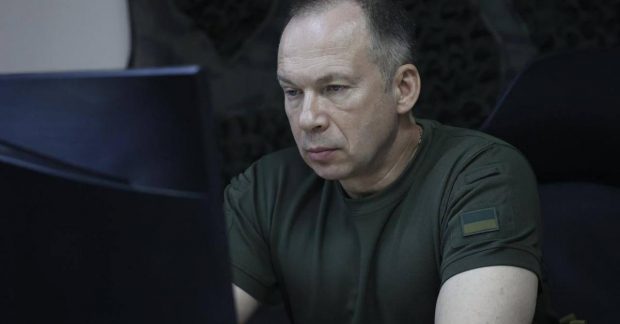
Key Lessons of the War: Oleksandr Syrskyi Outlines Three Crucial Takeaways for Global Security
Former UAF Commander-in-Chief Oleksandr Syrskyi addressed the Halifax International Security Forum, highlighting the primary lessons of the Russia-Ukraine war.
 🛡️Security
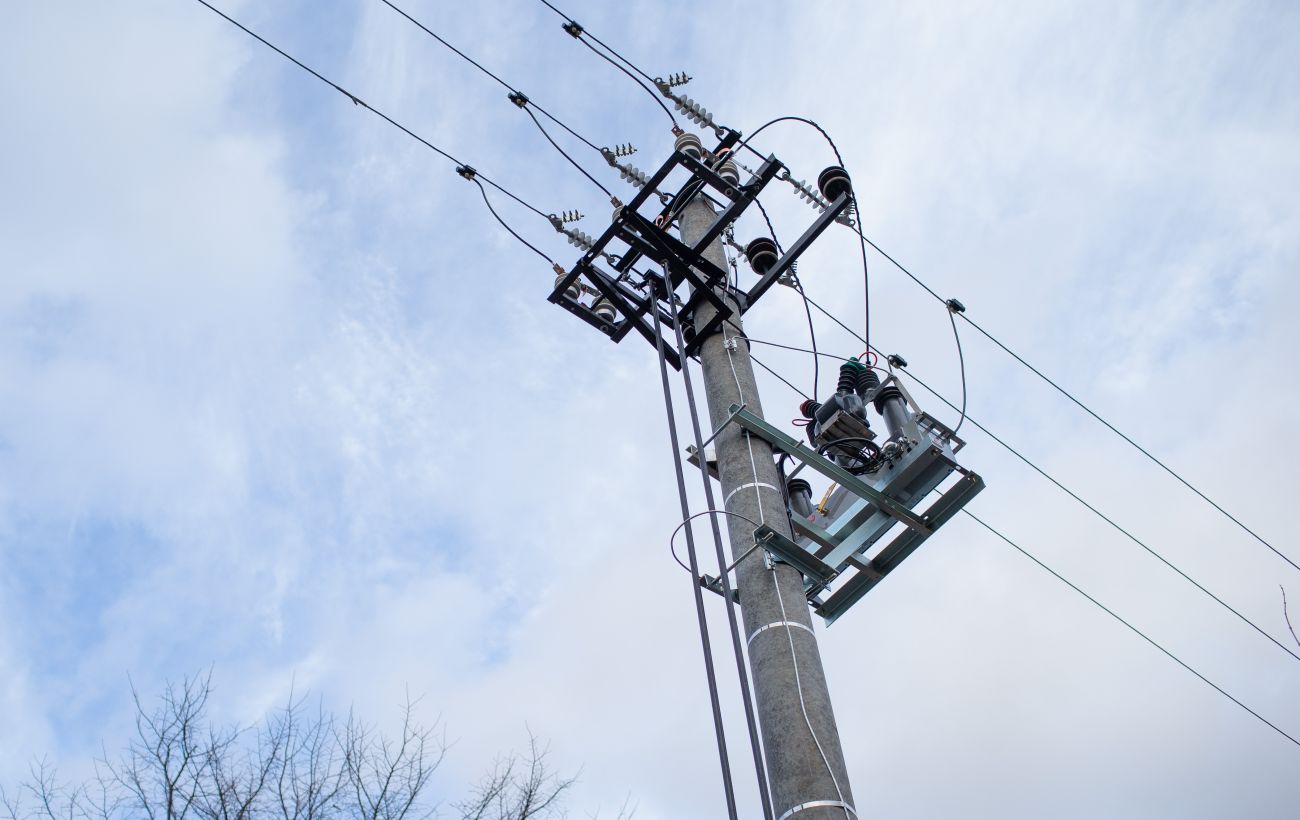
DTEK sets yearly record for restoring power to 3.5 million families after attacks
Between November 16 and 22, DTEK energy workers restored electricity for 3.5 million households across four regions and Kyiv, with Odesa region seeing the heaviest worklo…